
Appliance Repair or Replace: How to Decide
Appliance repair usually wins when the failed part is small and the cabinet is sound. Age, the part and a new unit's price settle the rest.
Most broken appliances come down to one failed part. Whether to fix it depends on three things: how old the appliance is, which part failed, and what a comparable new one would cost, including installation.
The half-the-price rule of thumb
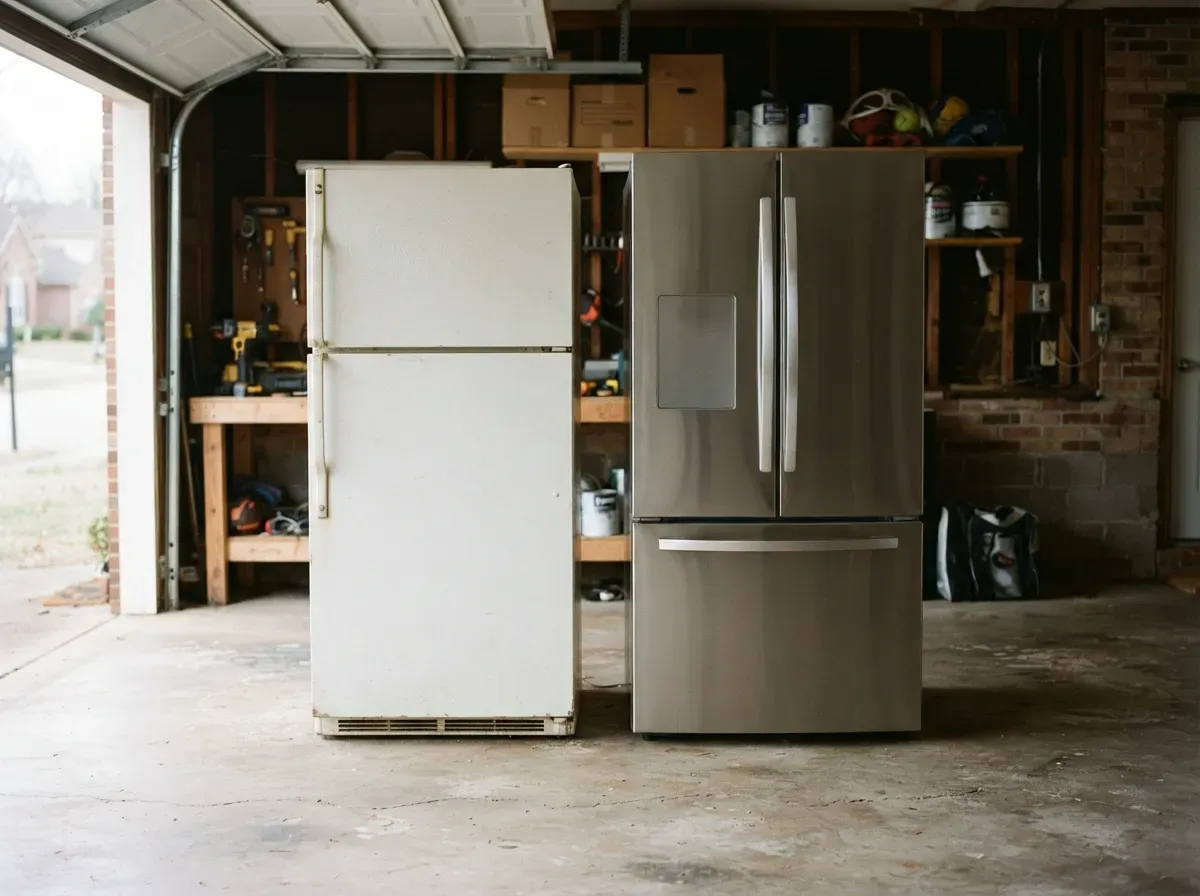
Consumer Reports has long suggested not spending more than half the price of a new appliance on repairing an old one. It’s a starting point, not a law. A repair at 40 percent of a new unit’s price on a five-year-old refrigerator is usually worth it. The same price on a 14-year-old one often isn’t.
Typical lifespans by appliance
The figures most people still cite come from a 2007 home builders’ industry study. They’re averages, and heavy use or hard water shortens them:
| Appliance | Typical life |
|---|---|
| Gas range | about 15 years |
| Refrigerator, electric range, dryer | about 13 years |
| Freezer | about 11 years |
| Washer | about 10 years |
| Dishwasher, microwave | about 9 years |
Which repairs are usually worth it
Small parts on an appliance with years left are almost always worth replacing:
- Igniters, bake elements and temperature sensors on ovens
- Drain pumps, lid switches, door locks and belts on washers
- Thermal fuses, heating elements, rollers and belts on dryers
- Fans, defrost parts, thermistors and water valves on refrigerators
- Drain pumps, inlet valves and door gaskets on dishwashers
When replacing usually makes more sense
- A failed compressor or a refrigerant leak on an older, lower-priced refrigerator or freezer
- A cracked washer tub or failed tub bearings on a washer near the end of its life
- A rusted-through dishwasher tub
- A control board failure on an appliance where the board costs close to a new unit
Built-ins and over-the-range units
Built-in refrigerators, wall ovens, cooktops and over-the-range microwaves cost more to replace because the new unit has to fit the existing opening and be installed. That pushes the balance toward repair, even on older models.
Getting the facts on the visit
You don’t have to decide before anyone looks at it. The tech finds the fault first and explains the repair, so you can weigh it against a new appliance. You only pay for work you agreed to.
To book, find your appliance repair location and call the number there.